
Wedding Planning Got You Stressed? Here’s How to Take the First Step
Wedding planning kicks off with all the excitement in the world, but then it all comes crashing down. What started out as a lovely milestone soon turns into a whirlwind of decisions, opinions, and deadlines that are suddenly facing you a mile a minute.
Your mates ask questions before you’ve even had a chance to think about the answers. Your family offers advice that doesn’t seem to match up. Online wedding inspiration starts raising the bar on things that seem impossible to get right. And before you know it, wedding planning stress has you firmly in its grip.
This article breaks down the early stages of planning into calm, realistic steps that bring clarity, structure, and breathing room back into the process.
Why Wedding Planning Feels Overwhelming
A wedding isn’t a single event so much as a stack of emotional, financial, and logistical choices layered on top of one another, often before couples feel ready to commit. Each decision touches several others, while timing adds pressure, social comparison creates noise, and expectations quietly increase the weight of every choice.
Unlike most projects, wedding planning rarely moves in a straight line. Progress tends to come in bursts, pauses feel uneasy, and when momentum slows, doubt slips in, feeding wedding planning stress even when plans are moving forward behind the scenes.
Step One: Pause and Define What Truly Matters
Before timelines even get started and venues become part of the discussion, clarity tends to be what holds everything else in place. Every wedding has a certain core feeling or vibe that the couple is trying to hang on to, even if they can’t put a name to it right away.
Some weddings feel deeply intimate, shaped around a few close relationships, while others open up into larger social gatherings where energy comes from the room itself. For some couples, the setting and scenery take centre stage, while for others, family tradition and inclusion guide every choice. That underlying intention quietly steers decisions from this point forward. When it stays unclear, ideas start competing instead of supporting one another, and even simple choices become harder to settle.
When that clarity settles in, choices begin narrowing on their own, and the process feels more manageable. The guest list starts to take shape, spending priorities become easier to sort out, and wedding planning begins to move forward instead of hesitating. Rather than reacting to every new idea or outside opinion, progress feels steady and intentional, creating a calm sense of movement instead of constant urgency.
Step Two: Set Your Budget and Guest Count
Budget and guest count tend to circle each other. It’s hard to lock one in without at least a rough sense of the other. Starting with ranges keeps the conversation grounded without forcing exact numbers too early. In most cases, the guest list becomes the anchor, quietly shaping venue options, catering costs, and how complex the day feels.
This step can feel uncomfortable, but it often brings relief. Once limits are visible, decisions stop floating. For couples planning Lake Tahoe weddings on a budget, that early clarity often protects both spending and expectations, making the rest of the planning process feel steadier rather than rushed.
Step Three: Decide on Your Planning Style
Planning styles vary more than most couples expect, and none of them are wrong. Stress usually shows up when the method doesn’t match the time, energy, or headspace available. The best planning style is usually the one that matches your day-to-day life, not the one that sounds ideal on paper.
DIY Planning (with digital tools and checklists)
Some couples like structure and a sense of control. Shared documents, timelines, and a solid wedding planning checklist can bring order to a process that otherwise feels scattered. This works well when schedules allow regular attention. With limited time, even well-built systems can feel heavy like another responsibility.
Partial Planner or Coordinator
This option balances independence with professional guidance. A planner steps in at key points, reviews contracts, manages timelines, and coordinates logistics closer to the event. For many couples, wedding planning stress eases once someone experienced takes over, replacing guesswork and second-guessing.
Full-Service Planner
For couples balancing demanding work schedules, travel, or destination logistics, full-service planning removes the steady drain of ongoing decisions. Local expertise helps narrow vendor choices and simplify scheduling, which is especially helpful when reviewing Tahoe wedding packages that bundle services into clearer, more manageable options.
Step Four: Build a Realistic Wedding Planning Timeline
A timeline should help things move forward without turning every week into a deadline. It helps to start with a few anchor decisions, like the venue, the date, and a rough guest count, and then build around them. From there, leave space between tasks, since weeks when nothing looks finished often give couples the breathing room to make better choices next time.
Rigid schedules often clash with real life, while flexible timelines bend without breaking and keep planning from feeling like constant catch-up. When progress is measured over months instead of days, wedding planning starts to feel steadier and far less consuming.
Why These Two Decisions Come First
Budget and guest count influence every other choice. Without them, vendor conversations remain vague and options feel endless. With them, recommendations become specific and timelines stabilize. A clear wedding planning checklist replaces scattered notes and repeated decisions.
Practical Budgeting Tips
Simple categories work better than complex spreadsheets. Writing numbers down, even approximate ones, reduces anxiety. A contingency buffer protects against surprises without derailing plans. These habits support stress-free wedding planning, even when adjustments are required.
Use Tools and Checklists
Planning tools should be making your life easier, not just piling more work on top of what you already do. One decent system can still beat multiple fancy apps that nobody ever uses. Being able to see how things are going with your partner is a big deal, and when you can both see the progress you’re making, it can kind of snowball.
In the end, having a consistent system in place is way more important for stress-free wedding planning than constantly trying to find the next big thing.
Step Five: Keep Wedding Planning Stress Under Control
Stress never really goes away once you start planning; it just gets shifted around a bit. Some days are good, some days are just a slog, but being able to spot the patterns in how you’re making decisions can help you avoid burnout. And sometimes it helps to just step away briefly to take a breather, which often restores perspective faster than just keeping on pushing.
Unchecked wedding planning stress often grows quietly, and naming it early creates room to adjust before it takes over.
Expert Wedding Planning Tips to Stay Organized
A few practical wedding planning tips make a measurable difference:
- Limit decision windows to avoid overthinking.
- Assign specific planning times, then pause.
- Maintain one visible master list.
- Mark small completions to reinforce progress.
These wedding planning tips work because they respect attention limits, not because they aim for perfection.
Emotional Side of Wedding Planning: Finding Joy Again
Joy in wedding planning rarely shows up through big gestures or dramatic moments. It tends to slip in quietly during a venue visit that feels right, a menu tasting that sparks conversation, or a low-key discussion about vows that runs longer than expected. Those moments pull planning back to its purpose.
When joy starts to feel distant, it’s often a sign that too many decisions are crowding the space, and simplifying them is usually what brings that feeling back.
See the Big Picture: What This Day Is Really About
Weddings are remembered through connection rather than precision. Guests recall how welcome they felt, not whether details matched inspiration images. Wedding planning serves the experience, not the other way around. When details start taking control, it helps to step back and reconnect with what guests will actually carry with them once the day has passed.
Why Choose High Mountain Weddings
Stress-Free Simplicity
Clear processes reduce uncertainty and keep planning from feeling scattered, which allows couples to focus on decisions that actually feel meaningful.
Experienced Team
Local knowledge helps timelines stay realistic and limits last-minute adjustments that often add unnecessary pressure.
Flexible Packages
Services adapt to different planning styles, whether couples need light coordination or hands-on guidance from start to finish.
Unforgettable Photos
Mountain settings, thoughtful timing, and natural flow create imagery that feels authentic.
Conclusion
The first step rarely comes with certainty, but it does come with clarity, and that shift changes how everything else feels. Once priorities are clear, planning begins to settle instead of spinning, and decisions start falling into place without forcing them.
Confidence builds as things move forward, not because everything is perfect, but because progress is real. Over time, structure replaces noise, and wedding planning starts to feel workable rather than overwhelming.
Start Your Wedding Planning without Stress Today!
At High Mountain Weddings, we support couples seeking clarity, structure, and calm from the very beginning. From light guidance to full coordination, our team offers local expertise and thoughtful planning support.
Call (530) 318 1722 to begin shaping a wedding experience that feels grounded, intentional, and truly memorable.
FAQs
Why does wedding planning feel so overwhelming?
Wedding planning often feels heavy because emotional and logistical decisions arrive at the same time, usually before there’s a clear sense of direction. Many choices feel connected, yet they’re presented separately, which can make even small decisions feel larger than they are.
What are the first steps in wedding planning?
Most couples find it easier to start by defining priorities, then narrowing in on budget and guest count. Once those pieces take shape, many other decisions begin to sort themselves out instead of competing for attention.
How can wedding planning be made less stressful?
Stress tends to ease when systems replace guesswork, with fewer options, visible plans, and space between decisions, so nothing feels urgent at once.
Should a planner be hired, or should planning happen independently?
That choice usually comes down to time, comfort with logistics, and how complex the event is shaping up to be. Some couples enjoy managing details themselves, while others feel relieved once coordination is shared.
How long does wedding planning usually take?
Most weddings are planned over a span of nine to fifteen months, with the experience shaped less by the calendar and more by how quickly clarity comes into focus.
What’s the best way to stay calm while planning?
Spacing decisions and allowing breaks helps maintain perspective. Progress doesn’t need to be constant to be real, and stepping away at the right moments often makes the next decision easier.
Leave a reply
5 Wedding Design Trends for 2026: Inspiration for Your Big Day
The 2026 wedding season is here, bringing fresh décor trends with it. Wedding design
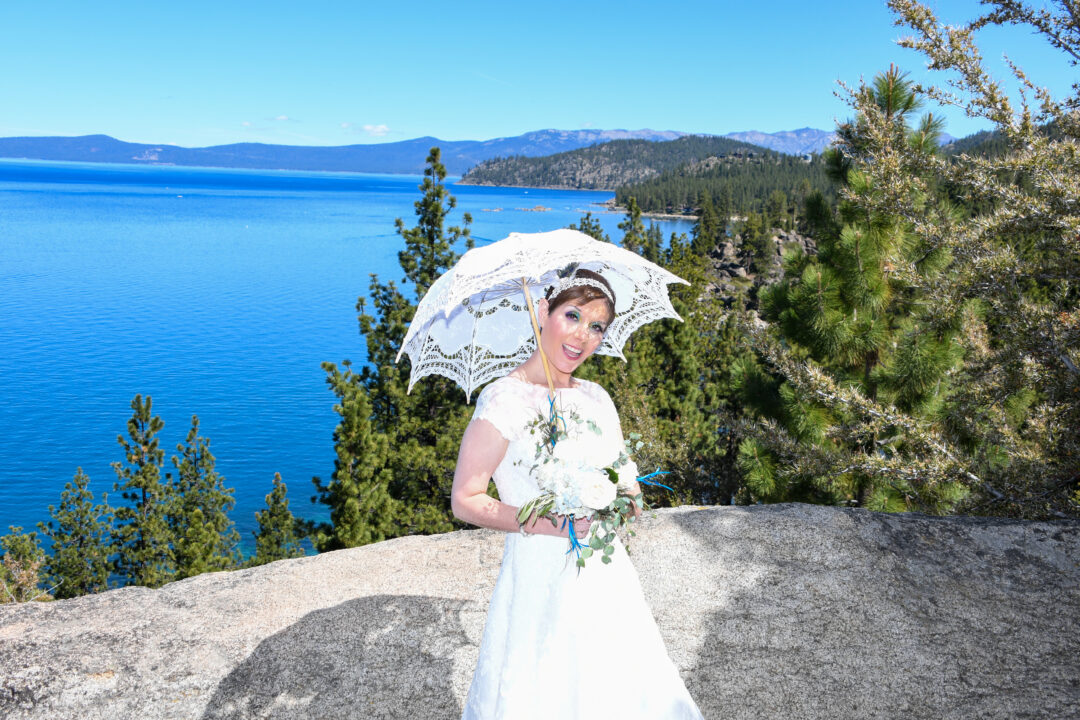
The Wedding Spell Of Lake Tahoe.
“The Lake burst upon us — a noble sheet of blue water lifted six
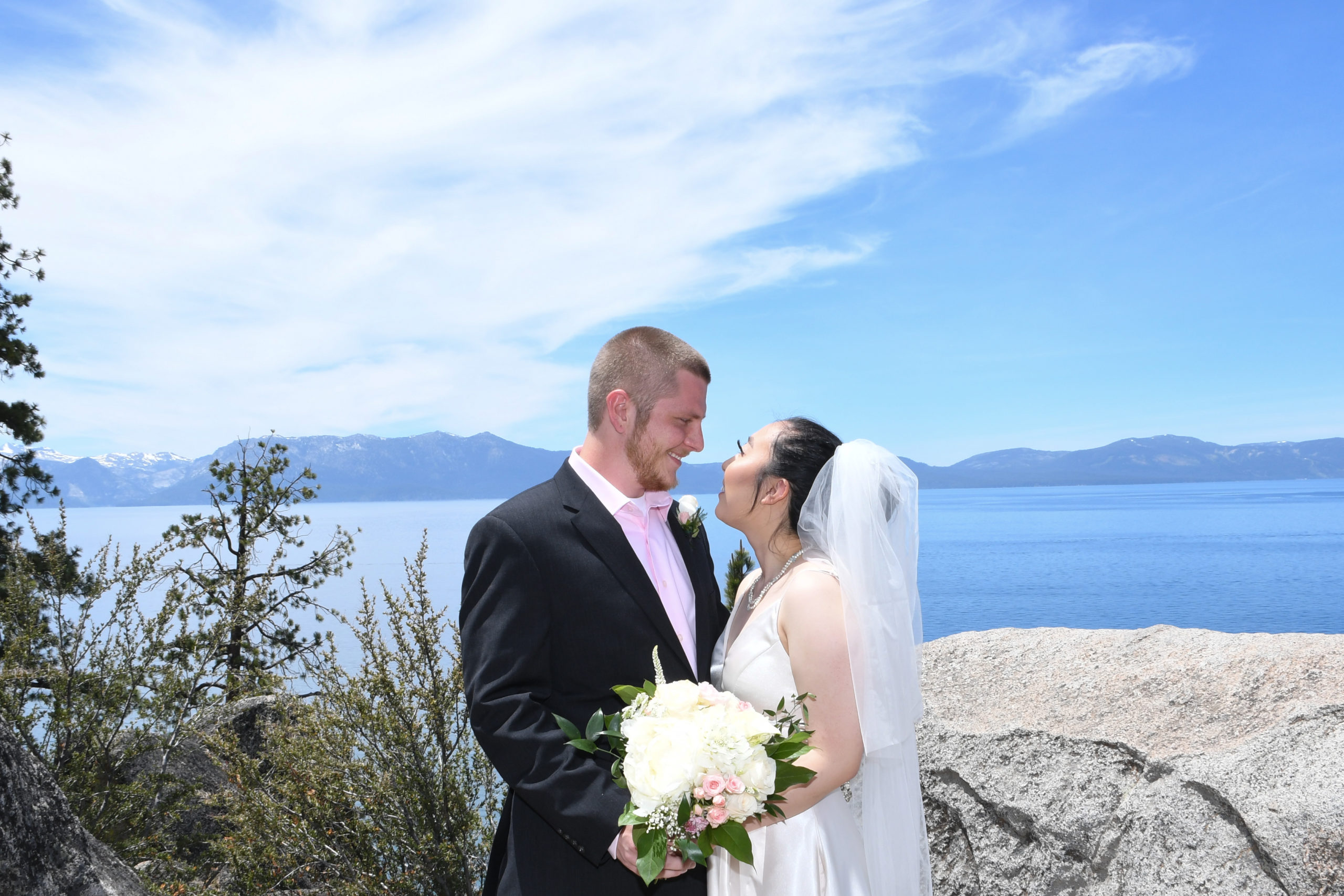
Thinking Of Eloping To South Lake Tahoe? We’re Here To Help You!
Your first thought might be ‘eloping’? Is that really possible? Is it possible to

Reasons To Elope With Your Better Half .
This might just be the first time you’re hearing about this. If you are